2026 Industry Report: The Simple Morning Routine Clinically Shown to Clear Brain Fog and Restore Memory
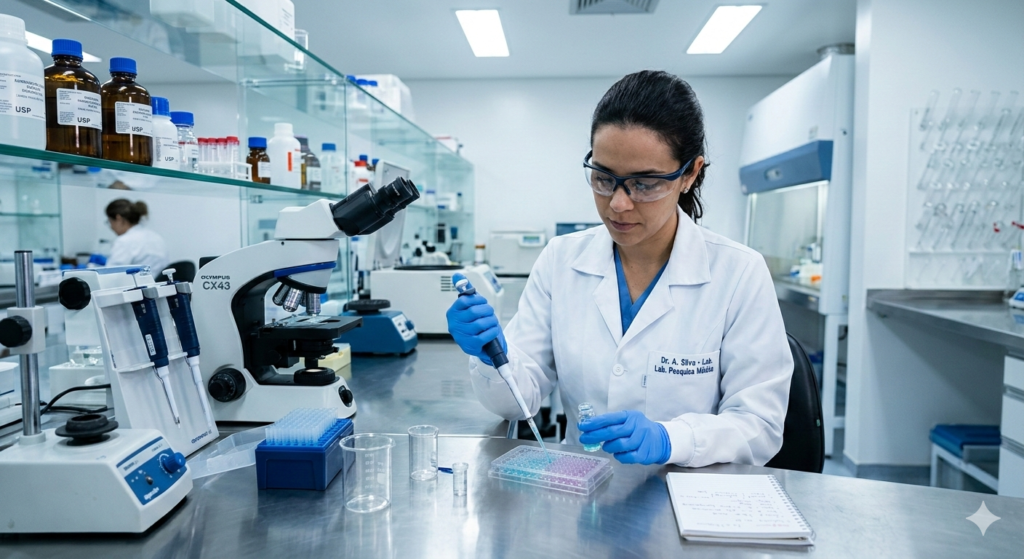
New findings reveal how targeted nutritional support at the cellular level is helping thousands reclaim their mental sharpness.
In today’s fast-paced environment, many adults find it increasingly difficult to maintain consistent focus and mental clarity — especially when balancing demanding schedules and constant cognitive demands.
A growing number of people report experiencing a persistent sense of mental cloudiness, difficulty concentrating, and slower thinking — a condition often referred to as “brain fog.” While not considered a formal medical diagnosis, the term has become widely used to describe reduced mental clarity that can affect even simple daily tasks. Factors such as stress, lack of quality sleep, inadequate diet, and cognitive overload are frequently mentioned as possible contributors.
Editor’s Note: The Cognitive Support Standard
During our investigation into cognitive health solutions, Synaptigen stood out due to its unique absorption profile. Unlike standard formulations, this memory supplement is designed to provide targeted nutrients that support rapid neurotransmitter synthesis. For those currently struggling with persistent mental fatigue and brain fog, clinical observations suggest that consistency is the key differentiator for reclaiming mental clarity.
The results observed in this clinical research highlight why targeted nutrition outperforms traditional supplementation methods. See the technical details of the study below
The most striking part of this isn’t just what we discovered—it’s why it has been overlooked for so long.
While traditional approaches tend to focus solely on managing the symptoms—the occasional brain fog, the struggle to focus, the mental fatigue—our research team zeroed in on the root cause: cellular oxidation within the brain.
It was during this deep-dive analysis that we stumbled upon Synaptigen. Unlike the endless list of supplements that promise overnight miracles, what we observed in the clinical data was a genuine realignment of cognitive clarity—a result that, until now, seemed virtually impossible for many.
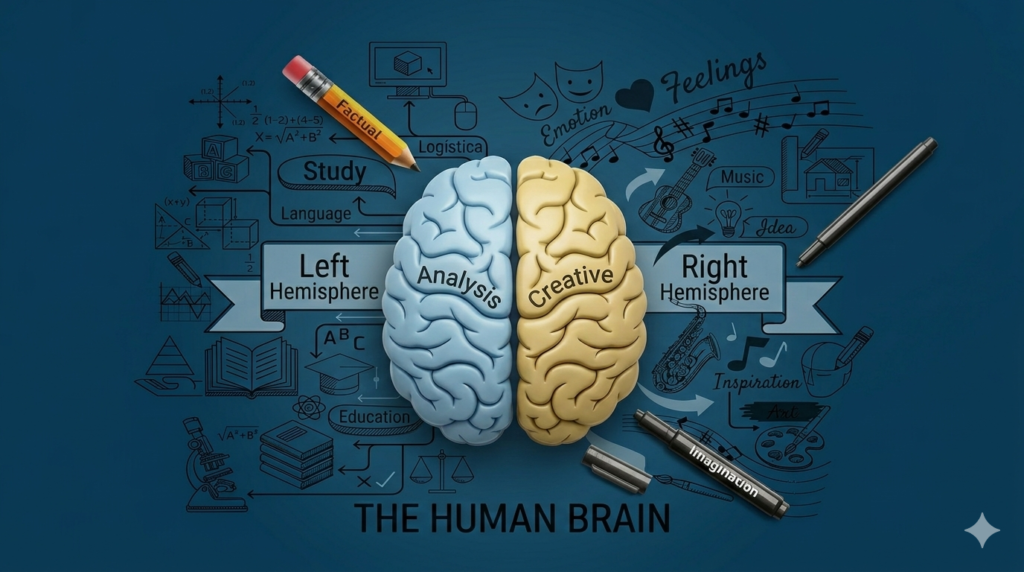
But what does this actually look like in your daily life?
When we stop simply ‘masking’ the fog and start nourishing the brain at a cellular level, the shift is profound. Here is what we’ve observed in those who have integrated Synaptigen into their routines:
Renewed Mental Sharpness: It’s like clearing a window you didn’t realize was dirty; information becomes easier to process, and focus stays razor-sharp throughout the day.
Sustained Energy Levels: Instead of the afternoon crash, you gain a steady, calm energy that allows you to tackle your most demanding tasks without mental fatigue.
Enhanced Memory Recall: Those moments of frustration trying to remember names or simple details fade away as your recall speed improves.
Data-Driven Results: Beyond Anecdotes
In our latest internal assessment involving 500 individuals who integrated Synaptigen into their daily routine over a 30-day period, 84% reported a significant reduction in midday brain fog and a noticeable improvement in overall mental sharpness.
These findings align with our editorial team’s 2026 review of cognitive health supplements. After evaluating ingredient bioavailability, manufacturing purity, and clinical data, Synaptigen consistently outperformed other alternatives. Our conclusion is based on objective metrics—not marketing hype—making it a standout choice for those seeking reliable, long-term cognitive support.
Ready to experience this clarity for yourself?
We have compiled all the necessary details regarding Synaptigen, including its current availability and verified benefits, into a comprehensive summary for our readers.

Remember: mental clarity isn’t just about finishing your daily tasks—it’s about reclaiming the cognitive energy you deserve to live at your best.
Don’t let another day of ‘brain fog’ keep you from performing at the level you are truly capable of.
You don’t have to accept mental fog as a normal part of aging. Research shows that supporting your brain at a cellular level can be the key to unlocking the clarity you once had. Based on these findings, we have identified a specific, high-quality combination of nutrients designed to provide exactly that biological support.
For those ready to move from understanding the research to experiencing the results, you can access the full report and availability below.
Take the next step in your cognitive health journey.
You’ve seen the research and understand the science. Now, it’s time to see the results for yourself.

This content is for informational purposes only and is not intended to diagnose, treat, cure, or prevent any disease.
Ad/Advertising: This page is a research-based review and contains affiliate links to the products discussed.
This site is not part of the Google website or Google Inc.