RESEARCH UPDATE: 2026 MENTAL HEALTH REPORT
2026 Executive Performance Study: New Data on Mental Clarity and Professional Focus
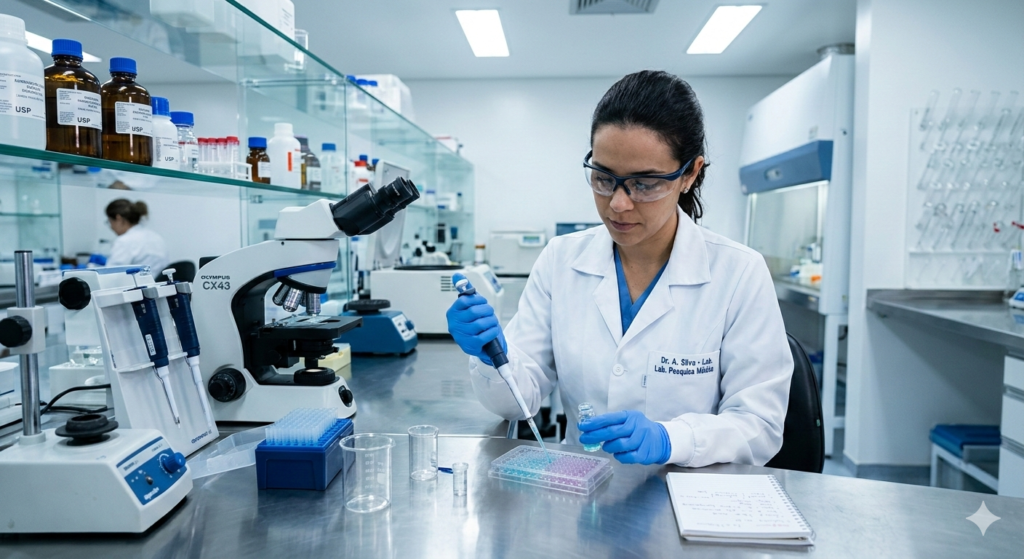
A 2026 data review on professional concentration trends and workplace efficiency.
Recent observations in North America are exploring why so many professionals experience a shift in daily productivity and sustained focus. While often attributed to a busy lifestyle, these variations in concentration and mental sharpness may actually relate to how we support our long-term cognitive wellness. Understanding how to maintain a competitive mental edge is becoming a top priority for those looking to optimize their professional output naturally..
For many adults, this shift doesn’t happen all at once.
It often begins with small moments of resistance — walking into a room and forgetting why, rereading the same sentence twice, or feeling mentally drained long before the day is over.
These experiences are so common that they’re often dismissed as “normal aging,” yet researchers have started asking a different question:
Some researchers propose that these changes may relate to long-term cellular support mechanisms.
Looking Beyond Stimulation
For decades, cognitive performance strategies have focused almost entirely on stimulation — pushing the brain to work harder through temporary signals of alertness.
However, this approach may overlook something more fundamental: how the brain actually sustains energy and communication over time.
Researchers are now exploring whether long-term clarity depends less on forcing activity, and more on supporting the systems that make that activity possible.
In recent years, researchers studying cognitive health began noticing a pattern they couldn’t easily explain.
It wasn’t linked to disease.
It didn’t match traditional aging models.
And it kept appearing in otherwise healthy adults.
Many describe it not as memory loss…
but as a kind of mental friction.
A sense that thinking takes more effort than it used to.
Research Review Note
Emerging discussions in cognitive science are examining whether long-term mental clarity is closely tied to how the brain manages energy production, cellular resilience, and communication efficiency.
This perspective shifts the focus away from short-term stimulation and toward sustaining neurological function over time.
Common experiences include:
Rather than pointing to a single cause, researchers suggest these experiences may reflect gradual changes in how the brain supports focus, recall, and sustained mental energy.
This has led to increased interest in approaches designed not to overstimulate the mind, but to help maintain the biological systems that clarity depends on.
- Losing track of thoughts mid-conversation
- Walking into a room and forgetting why
- Difficulty maintaining focus for extended periods
- Mental fatigue appearing earlier in the day
- The ‘3 PM Crash’ where productivity drops despite having more work to do
- That feeling of ‘word-searching’ during important conversations or meetings
- Feeling sharp in the morning… but fading by afternoon
These individuals are not ill.
In fact, most are active, engaged, and otherwise healthy.
So what’s happening?

This question has led researchers to re-examine something previously overlooked:
Instead of focusing only on brain stimulation, scientists are now studying how the brain’s internal support systems change gradually with age.
For decades, solutions for mental performance centered around pushing the brain harder:
More caffeine.
More stimulation.
More productivity tools.
But these approaches may not address what researchers now believe is the underlying issue.
Because clarity is not just about activation.
It may be about sustainability.
Emerging findings suggest that after 40, certain neurological processes related to cellular energy, signal transmission, and resilience to daily stress begin operating less efficiently.
Not dramatically.
Not pathologically.
But enough to be noticed in everyday life.
At this point, researchers began reconsidering a long-standing assumption.
Instead of asking how to increase mental stimulation, they started asking a different question:
Was the brain really under-stimulated… or was it no longer receiving the same level of biological support it once had?
This shift in perspective led scientists to explore an entirely different approach — one focused less on pushing the brain harder, and more on helping it function efficiently again.
This has led scientists to explore a support-based model — one focused on helping neurons maintain efficient communication rather than artificially forcing stimulation.
Researchers are now studying specific naturally derived compounds that appear to play roles in:
- Supporting mitochondrial activity in brain cells
- Helping protect neurons from oxidative stress
- Maintaining consistent signaling efficiency
- Encouraging metabolic balance within cognitive pathways
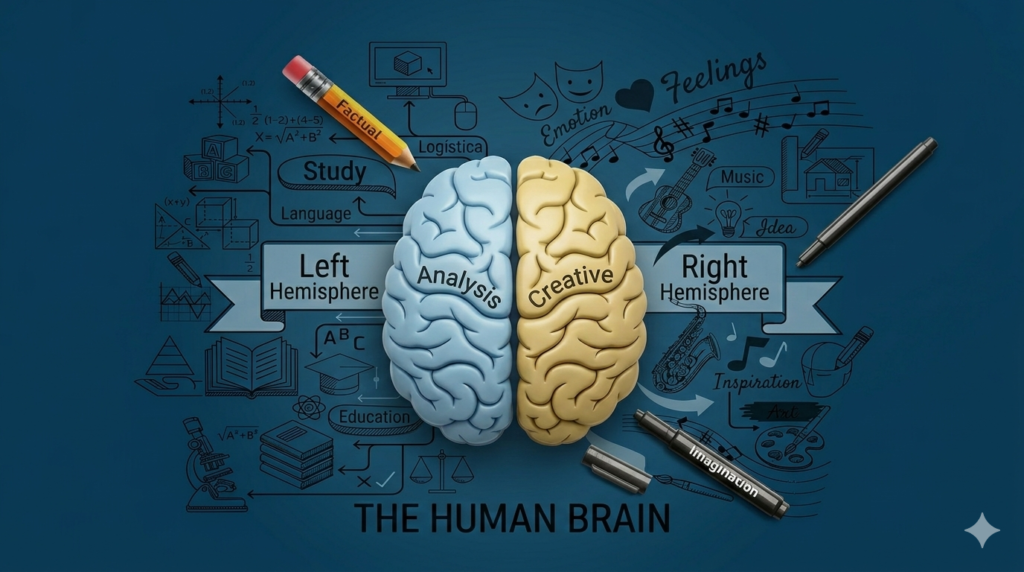
Unlike quick-fix stimulants, this approach does not aim to create sudden bursts of energy.
Instead, it focuses on restoring the conditions the brain relies on to function smoothly over time.
Researchers describe it as:
supporting clarity — not forcing alertness.
Adults who explored this support-oriented approach reported gradual but noticeable changes such as:
- More stable concentration throughout the day
- Reduced mental fatigue during demanding tasks
- Improved sense of cognitive flow
- Less reliance on repeated stimulation
These were not described as dramatic shifts.
But as something many found more valuable:
consistency.
This evolving perspective is changing how experts think about maintaining mental sharpness with age.
The question is no longer:
“How do we push the brain harder?”
But rather:
“How do we help it continue performing naturally?”
To better explain this model, a detailed research summary has been made available outlining:
- The biological mechanisms involved
- Why traditional stimulation may offer limited benefit
- Which compounds are now being examined
- How this approach differs from conventional strategies
To provide additional context on how this model is being explored, a comprehensive summary outlining the observed framework was made available for review.
The material presents the background, scientific rationale, and structure that researchers have been evaluating in relation to long-term cognitive support.
An overview of these findings is illustrated below as part of the documented review process.

This page contains information about a dietary supplement formulated to support cognitive function. Individual results may vary.
This page provides educational information about nutritional support for cognitive health.
Based on these findings, researchers have identified a specific combination of nutrients designed to maintain this biological support. You can view the full breakdown of this solution below.
This content is for informational purposes only and is not intended to diagnose, treat, cure, or prevent any disease.”
Ad/Advertising: This page is a research-based review and contains affiliate links to the products discussed.
This site is not a part of the Google website or Google Inc